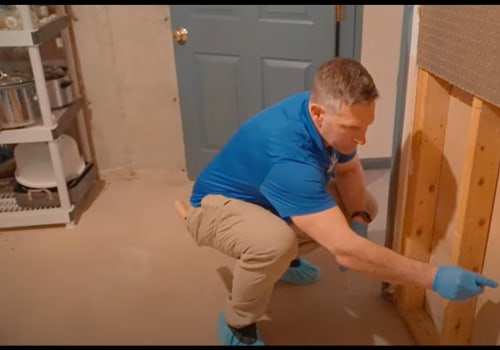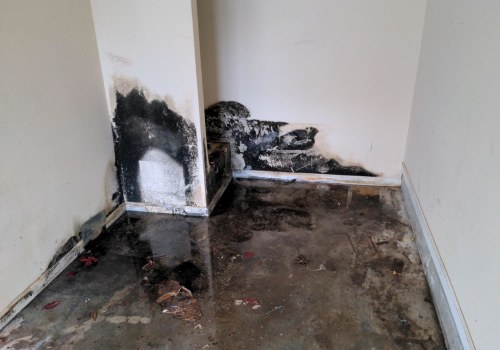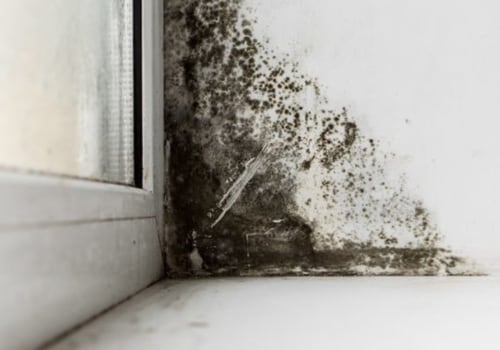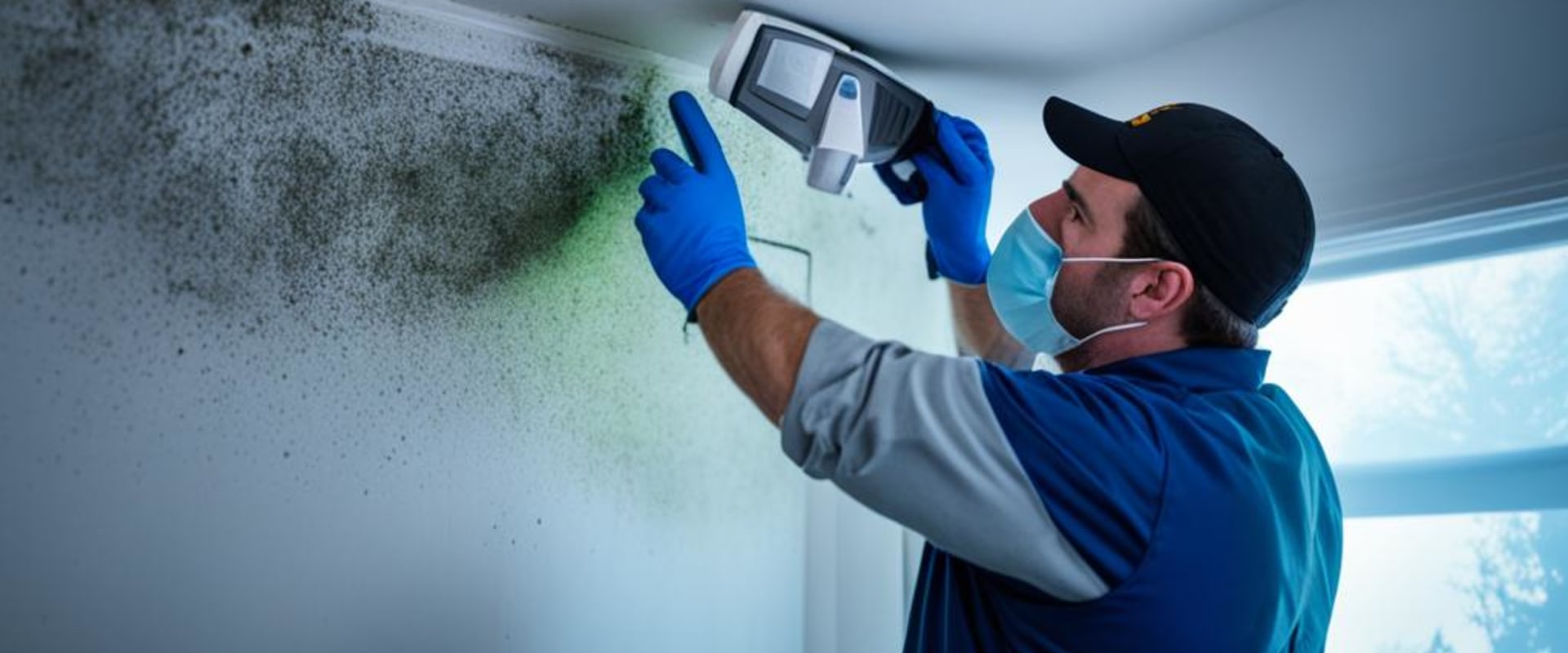
Modern property improvement projects have evolved far beyond simple cosmetic upgrades. Homeowners today are investing heavily in full-scale renovations that combine aesthetic improvements with long-term structural performance, energy efficiency, and healthier indoor living conditions. As these renovation projects become more advanced, mold inspection is increasingly being recognized as an essential step before major remodeling work begins. In the past, many homeowners focused almost entirely on visible improvements such as flooring, cabinetry, paint finishes, and open-concept layouts while overlooking hidden environmental issues inside walls, ceilings, crawl spaces, or attic areas. However, contractors and property specialists now understand that mold problems can quietly compromise both the structural condition of a home and the success of expensive interior upgrades if not identified early. Mold inspections are no longer viewed as something necessary only after water damage occurs but as a proactive measure that helps protect renovation investments and prevent future complications during construction.
Hidden Moisture Problems Can Affect Renovation Results
One reason mold inspection has become such an important part of modern renovation planning is that moisture-related problems are often difficult to detect without professional evaluation. Water intrusion from roof leaks, plumbing failures, poor ventilation, condensation buildup, or foundation moisture can remain hidden for long periods before visible signs appear. By the time discoloration, odors, or surface damage become noticeable, mold growth may already be affecting insulation, framing materials, drywall, or flooring systems behind the scenes. Starting a renovation project without identifying these conditions can create serious problems later, especially once walls are opened or new materials are installed. Homeowners investing in premium remodeling features, including high-end kitchen installations associated with Orlando Custom Cabinets, increasingly recognize that unresolved mold issues can eventually damage cabinetry, wood finishes, and interior air quality if moisture conditions remain untreated. Detecting mold before construction begins allows contractors to correct environmental problems early rather than risking expensive repairs after renovations are complete.
Why Mold Inspections Support Long-Term Property Protection
Mold inspections are also becoming more common because they contribute to the long-term durability and stability of renovated homes. Many modern upgrades involve materials that require controlled indoor environments to maintain their appearance and performance over time. Hardwood flooring, custom trim work, paint finishes, and decorative wall treatments can all be affected by excessive humidity or hidden moisture trapped inside structural areas. Mold growth is often a warning sign that environmental conditions inside the home are not properly balanced, which can eventually impact newly installed materials as well. By conducting inspections before renovations begin, contractors can evaluate ventilation systems, insulation conditions, drainage issues, and hidden water exposure that may otherwise compromise future improvements. This preventative approach helps create a more stable environment for construction while reducing the likelihood of future moisture-related damage after the project is completed.
A Shift Toward Smarter Renovation Planning
The growing emphasis on mold inspections reflects a broader shift toward more comprehensive and preventative renovation planning. Homeowners today are increasingly aware that successful remodeling projects depend not only on visual design but also on the hidden structural and environmental conditions within the property itself. Contractors, inspectors, and renovation specialists now frequently recommend mold evaluations as part of the early planning process because identifying issues beforehand often saves time, money, and stress later in the project timeline. Mold inspections also improve communication between contractors by helping teams better understand the property’s condition before demolition, installation, or structural modifications begin. As modern property improvements continue becoming more sophisticated and investment-focused, mold inspection is emerging as a critical safeguard that helps protect both the physical structure of the home and the long-term value of interior upgrades. While mold may remain hidden from everyday view, its impact on renovation quality and property health has made professional inspection an increasingly important part of responsible home improvement planning.