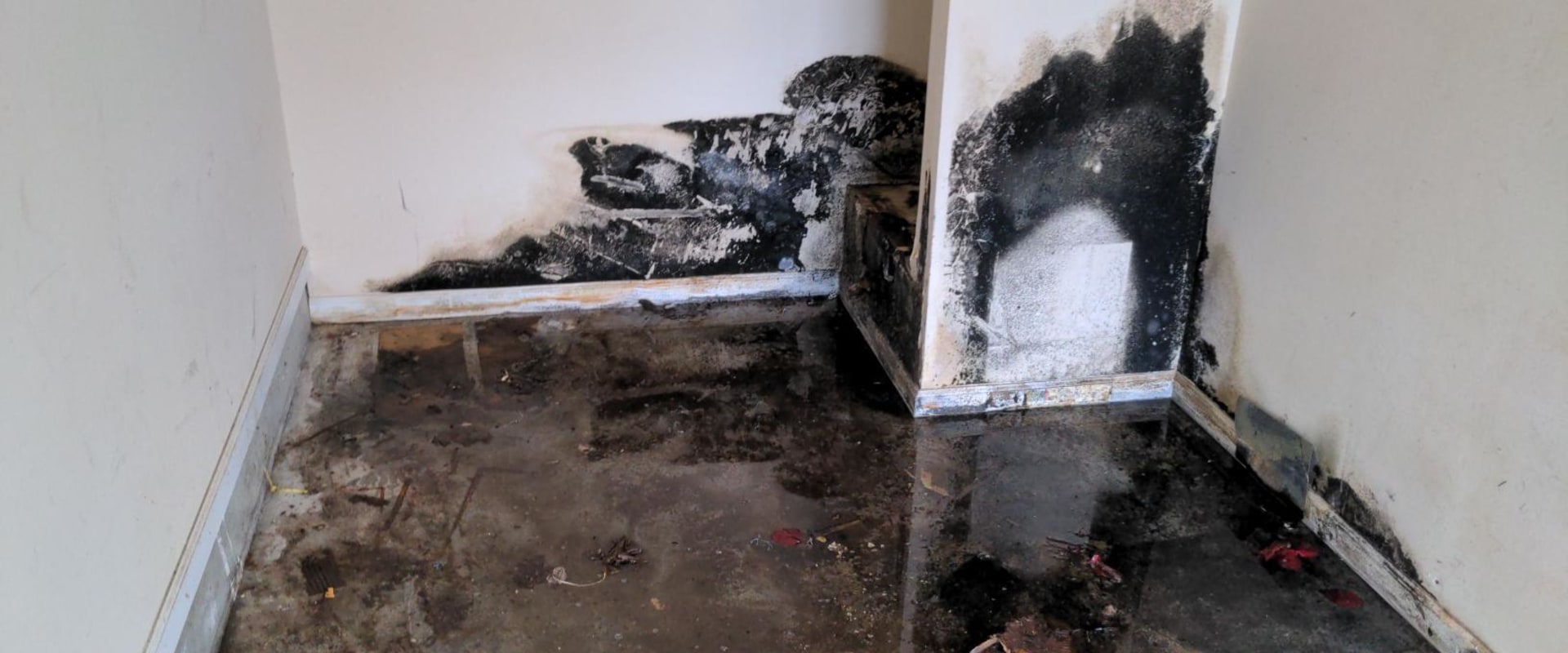
Moving into an older home often comes with charm, character, and unique architectural details, but it can also bring hidden risks that aren’t immediately visible. One of the most important concerns is mold, which tends to develop over time in areas with moisture, poor ventilation, or aging materials. Unlike surface-level issues, mold can exist behind walls, under flooring, or in attics and crawl spaces. Without a proper inspection, new homeowners may unknowingly move into an environment that poses health and structural risks.
Why Mold Is Common in Older Properties
Older homes were often built before modern moisture barriers, ventilation standards, and building codes were established. Over decades, small roof leaks, plumbing issues, or foundation cracks can allow moisture to accumulate unnoticed. Basements, bathrooms, kitchens, and HVAC systems are particularly vulnerable. Even if a home appears well maintained, past water damage or outdated construction methods can create ideal conditions for mold growth. This makes inspection especially important before unpacking and settling in.
Health Implications for New Homeowners
Mold exposure can affect people differently, but it is especially concerning for children, older adults, and individuals with allergies, asthma, or compromised immune systems. Symptoms may include respiratory irritation, headaches, fatigue, or allergic reactions that worsen over time. Because these symptoms often develop gradually, homeowners may not immediately connect them to mold in the house. Identifying and addressing mold before move-in helps protect the health of everyone living in the home.
Protecting Your Investment Before You Settle
Buying and moving into an older home is a major financial commitment. Mold problems, if left undiscovered, can lead to costly remediation, structural repairs, and decreased property value. A professional mold inspection provides clarity about the condition of the home and helps homeowners make informed decisions. If issues are found early, remediation can often be negotiated or completed before moving day, avoiding disruption later. This proactive step safeguards both your investment and your peace of mind.
Timing Mold Inspection With the Moving Process
The best time to conduct a mold inspection is before furniture and belongings are moved into the home. An empty house allows inspectors full access to walls, ceilings, and hidden areas. It also prevents personal items from being exposed if mold remediation becomes necessary. Coordinating inspections early in the process is especially helpful when working with a trusted moving company serving West Lake Hills TX, as it allows moving schedules to align with inspection results and any required repairs.
Preventing Future Mold Issues
Mold inspection isn’t just about identifying existing problems—it also helps homeowners understand future prevention. Inspectors often point out areas prone to moisture buildup and recommend improvements such as better ventilation, drainage adjustments, or dehumidification. These insights are valuable for long-term maintenance, especially in older homes where systems may need updating. Addressing these factors early reduces the likelihood of recurring issues.
Peace of Mind During a Major Transition
Moving is already a major life change filled with logistical and emotional challenges. Discovering mold problems after settling in can add unnecessary stress and disruption. By prioritizing mold inspection before move-in, homeowners eliminate one major unknown from the process. Knowing that the home is safe and healthy allows families to focus on unpacking, decorating, and adjusting to their new surroundings with confidence.
A Smart Step Toward a Healthy Start
Mold inspection is an essential part of moving into an older home, even when the property looks clean and well cared for. It protects health, preserves property value, and prevents costly surprises. Taking this step before moving day ensures that your new chapter begins in a safe environment. A home should be a place of comfort and security, and mold inspection helps ensure it truly is from the moment you walk through the door.