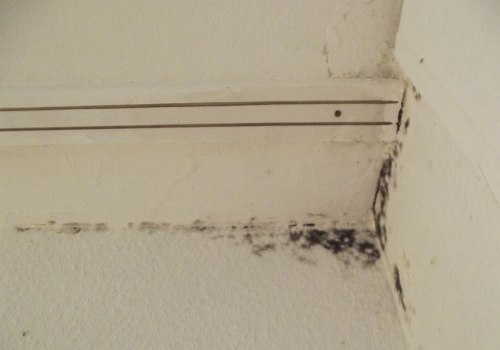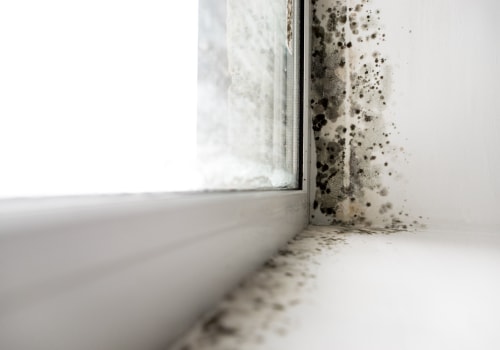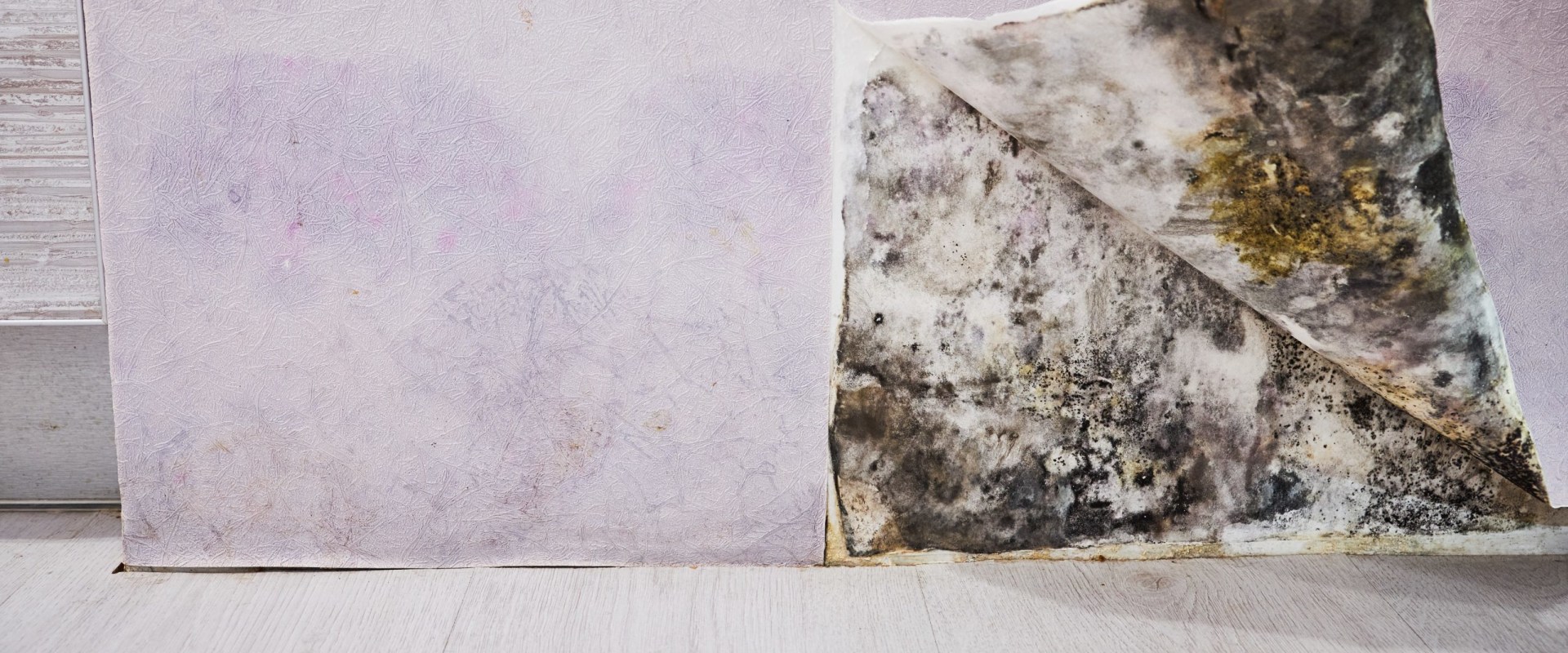
Mold inspection is a critical step in maintaining a healthy indoor environment, yet it is often overlooked until visible signs appear. Mold thrives in damp, poorly ventilated areas and can develop behind walls, under flooring, or in crawl spaces without immediate detection. A professional mold inspection helps identify the presence, type, and extent of mold growth before it becomes a larger problem. Early detection is key, as mold can spread quickly and cause both structural damage and health concerns if left unaddressed.
How Mold Affects Indoor Health
Exposure to mold can have a wide range of health effects, particularly for individuals with allergies, asthma, or weakened immune systems. Common symptoms include coughing, sneezing, nasal congestion, eye irritation, headaches, and skin rashes. In more severe cases, prolonged exposure may lead to respiratory infections or chronic breathing issues. Mold releases microscopic spores into the air, which can be inhaled easily and circulate throughout a home. Because these spores are often invisible, occupants may experience symptoms without realizing mold is the underlying cause.
Common Causes of Mold Growth
Understanding what causes mold growth helps prevent future issues. Moisture is the primary factor, and it can result from roof leaks, plumbing problems, poor drainage, flooding, or high indoor humidity. Areas such as bathrooms, kitchens, basements, and attics are particularly vulnerable. Even small, unnoticed leaks can create ideal conditions for mold development over time. Mold inspection focuses on identifying both active growth and the moisture sources that allow it to thrive, ensuring that solutions address the root cause rather than just the visible problem.
What Happens During a Mold Inspection
A professional mold inspection typically involves a thorough visual examination combined with moisture detection tools and, in some cases, air or surface sampling. Inspectors look for signs such as discoloration, musty odors, water stains, and elevated humidity levels. Moisture meters and thermal imaging may be used to locate hidden damp areas. If samples are collected, they are analyzed to determine the type and concentration of mold present. This information helps guide appropriate remediation strategies and ensures accurate assessment of health risks.
The Role of Moisture Control in Prevention
Effective moisture control is one of the most important steps in preventing mold growth. Proper ventilation, timely repairs, and humidity management all play a role in keeping indoor environments dry. In spaces prone to dampness, tools such as dehumidifier equipment are often used to reduce excess moisture in the air. Maintaining indoor humidity at appropriate levels makes it harder for mold to grow and supports better air quality overall. Moisture control is not just a preventative measure; it is also a crucial part of post-remediation maintenance.
Mold Inspection and Property Value
Beyond health concerns, mold issues can significantly affect property value. Homes with unresolved mold problems may face difficulties during inspections, sales, or insurance claims. A documented mold inspection provides transparency and reassurance to buyers, tenants, and insurers. Addressing mold early helps protect the structural integrity of a property and avoids costly repairs down the line. Regular inspections are especially important for properties with a history of water damage or high humidity.
When to Schedule a Mold Inspection
Mold inspections are recommended whenever there are signs of water damage, persistent musty odors, unexplained health symptoms, or after flooding events. They are also valuable as a preventative measure during routine home maintenance or before purchasing a property. Waiting until mold becomes visible often means the problem has already spread beyond the surface.
Protecting Health Through Awareness and Action
Mold inspection plays a vital role in protecting both health and property. By identifying hidden mold, addressing moisture sources, and taking preventative measures, homeowners and property managers can create safer indoor environments. Awareness, timely inspections, and proper moisture control work together to reduce health risks and ensure long-term comfort. Understanding the connection between mold and health empowers individuals to take proactive steps toward a cleaner, healthier living space.