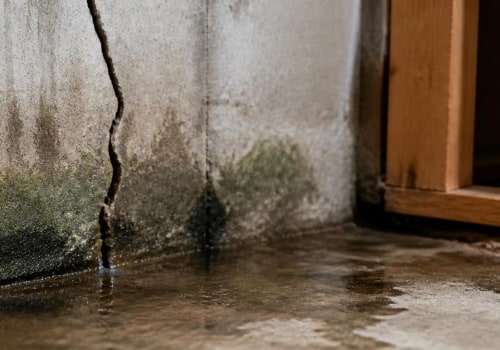
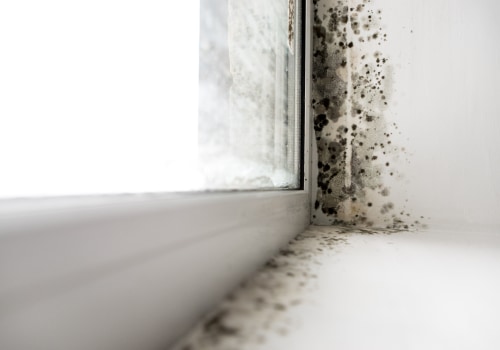
In the aftermath of a flood, hurricane, or major water intrusion, the instinct to clean up as quickly as possible is completely understandable. Homes and businesses feel unsafe, chaotic, and emotionally overwhelming, so speed seems like the best solution. However, disaster cleanup done too fast can unintentionally create the perfect conditions for mold spores to spread and take hold. Mold is a natural part of the environment, and its microscopic spores are always present in the air. When building materials become wet, those spores only need moisture and organic material to grow. A rushed cleanup often disturbs contaminated surfaces before moisture is properly controlled, allowing spores to become airborne and spread far beyond the original damaged area.
How Mold Spores Become Airborne During Fast Cleanup
When water-damaged materials such as drywall, insulation, carpets, or furniture are ripped out quickly without containment, mold spores can be released in massive quantities. Sweeping, tearing, or using high-powered fans too early can push spores into unaffected rooms, HVAC systems, and even neighboring units. Instead of removing the problem, this approach can multiply it. Once spores settle in new damp or dusty areas, they can begin growing within 24 to 48 hours. What started as a localized issue can quickly turn into a whole-building contamination, making remediation far more complex and costly than it needed to be.
Moisture Mismanagement Makes the Problem Worse
Another major issue with fast disaster cleanup is improper moisture control. Drying a space is not just about moving air; it requires measuring humidity, identifying hidden water pockets, and drying materials at the right pace. When cleanup crews or property owners rush to close up walls, reinstall flooring, or repaint surfaces before everything is fully dry, they can trap moisture inside structures. This hidden moisture becomes a breeding ground for mold that may not be visible until weeks or months later. At that point, the mold is more established, harder to remove, and more likely to impact indoor air quality and health.
Health and Long-Term Consequences of Spreading Spores
The spread of mold spores during rushed cleanup is not just a property issue; it is also a health concern. Airborne spores can trigger allergies, asthma symptoms, headaches, and respiratory irritation, especially in children, older adults, and people with compromised immune systems. Even individuals without known sensitivities may experience discomfort when spore levels rise indoors. Companies like Impact Restore emphasize that controlled, methodical cleanup is essential not only to protect the structure but also to safeguard the people who live or work inside it. Taking shortcuts may seem efficient in the moment, but it often leads to longer disruptions and higher risks down the line.
Why Slowing Down Actually Speeds Up Recovery
Ironically, a careful and well-planned cleanup often results in a faster overall recovery. Using containment barriers, proper protective equipment, moisture monitoring, and staged drying prevents mold spores from spreading and reduces the chance of secondary damage. While it may feel counterintuitive during an already stressful time, slowing down to do the job correctly minimizes setbacks, repeat work, and hidden problems. In disaster recovery, patience and precision are not delays—they are the most effective tools for ensuring a safe, healthy, and lasting restoration.