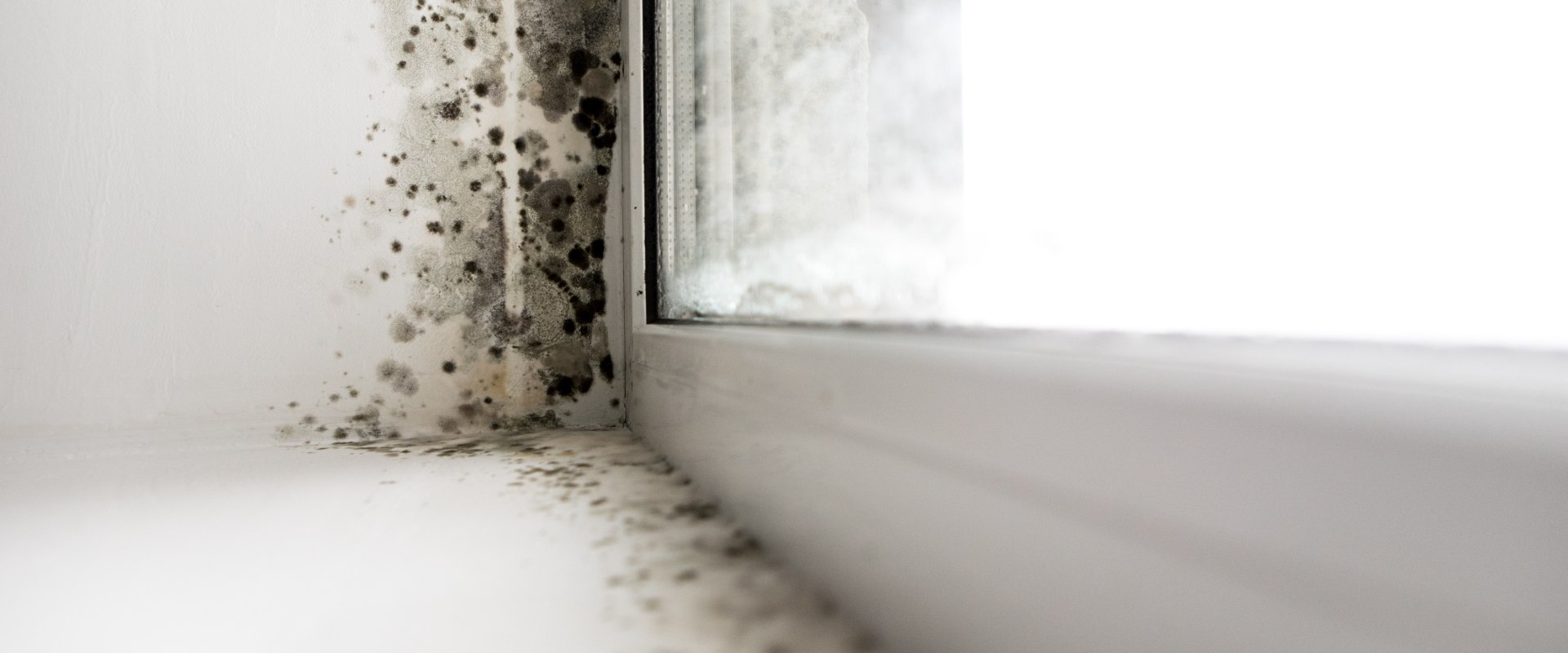
Proper insulation plays a crucial role in protecting homes from mold growth, yet it is often overlooked as a preventive measure. Mold thrives in environments where moisture and organic materials are present, especially in areas with poor ventilation and inconsistent temperatures. When a home lacks adequate insulation, temperature differences between indoor and outdoor air can create condensation inside walls, ceilings, and crawl spaces. This trapped moisture becomes the perfect breeding ground for mold spores. By installing high-quality insulation that limits air leakage and stabilizes indoor temperatures, homeowners can significantly reduce the conditions that allow mold to develop. Effective insulation acts as both a thermal barrier and a moisture management tool, protecting structural components and maintaining healthier indoor air quality.
Controlling Moisture Through Air Sealing
One of the primary causes of mold growth is uncontrolled air movement. Warm, humid air entering wall cavities or attic spaces can cool rapidly, leading to condensation on framing, sheathing, and drywall. Over time, repeated moisture accumulation weakens building materials and encourages mold colonization. Modern insulation solutions help combat this issue by forming a tight seal that prevents humid air infiltration. For homeowners exploring options like spray foam insulation in Hilton Head Island, the benefit lies in its dual function as insulation and air barrier, expanding to fill cracks and gaps where moisture-laden air would otherwise enter. By reducing drafts and sealing penetrations around wiring, plumbing, and ductwork, proper insulation minimizes condensation risks and helps maintain balanced humidity levels throughout the home.
Additionally, well-insulated attics and crawl spaces prevent temperature fluctuations that contribute to damp conditions. When surfaces remain closer to indoor air temperatures, the likelihood of condensation forming on cold surfaces is greatly reduced. This stabilization is particularly important in humid coastal climates, where outside moisture levels remain consistently high.
Enhancing Ventilation and Temperature Stability
While insulation alone does not replace proper ventilation, it works in partnership with ventilation systems to create a dry and healthy indoor environment. Balanced insulation prevents excessive heat buildup in attics during summer months, reducing the temperature gradient that can drive moisture into living spaces. In colder seasons, it helps maintain warmth inside walls and ceilings, preventing the formation of cold spots where condensation might collect.
Temperature stability also protects structural materials from repeated expansion and contraction caused by moisture absorption and drying cycles. Over time, these cycles can weaken wood framing and create hidden pockets where mold may thrive. Proper insulation reduces these stresses, contributing to longer-lasting building materials and fewer maintenance concerns.
Improving Indoor Air Quality and Long-Term Protection
Mold growth not only damages structures but also affects indoor air quality, potentially triggering allergies and respiratory issues. By preventing the moisture conditions that allow mold to flourish, proper insulation supports a healthier living environment. High-performance insulation materials are often resistant to mold growth themselves, adding another layer of protection. When combined with vapor barriers and moisture-resistant construction practices, insulation becomes a key component in a comprehensive mold prevention strategy.
Long-term benefits extend beyond health considerations. Homes protected from moisture damage maintain higher property value and require fewer costly repairs related to rot, drywall replacement, or structural remediation. Investing in advanced insulation during construction or renovation ensures that hidden spaces remain dry and stable for years to come.
Ultimately, proper insulation is more than an energy-saving upgrade—it is a proactive defense against mold-related damage. By sealing air leaks, regulating temperature, and reducing condensation risks, well-installed insulation safeguards both the structural integrity of the home and the well-being of its occupants.