Roofing systems are constantly exposed to changing weather conditions throughout the year, making seasonal damage one of the most common causes of hidden moisture problems inside homes. Rainstorms, snow accumulation, ice buildup, wind, humidity, and rapid temperature changes can gradually weaken roofing materials even when no obvious leak is visible from inside the property. Many homeowners assume roof damage will always produce immediate signs such as dripping water or missing shingles, but seasonal wear often develops slowly and quietly over time. Small vulnerabilities in shingles, flashing, gutters, or roof ventilation systems may allow moisture to enter attic spaces and wall cavities long before homeowners realize a problem exists. Once this hidden moisture begins accumulating indoors, mold growth can develop in areas that are difficult to detect until the issue becomes much more serious.
Why Seasonal Roof Damage Creates Ideal Mold Conditions
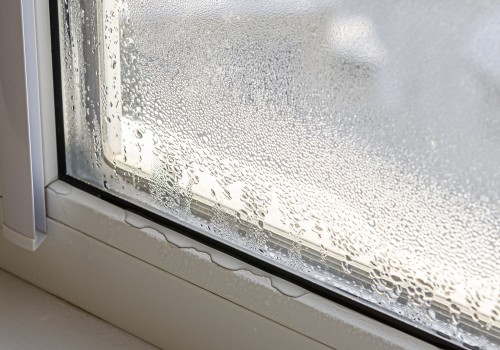
Mold thrives in damp, enclosed environments where moisture remains trapped for extended periods. Seasonal roof damage often creates exactly these conditions inside attics, ceilings, insulation, and wall cavities. During heavy rain or snowmelt seasons, damaged roofing components may allow small amounts of water to seep beneath the surface of the home. In colder months, ice dams and condensation caused by poor ventilation can introduce additional moisture into attic areas. Even minor roof leaks can saturate insulation and wooden framing materials over time, creating an environment where mold spores can begin growing unnoticed. Because these areas are typically hidden behind ceilings or inside attic spaces, homeowners may not realize moisture is accumulating until musty odors, staining, or indoor air quality problems begin appearing.
Moisture Problems Often Spread Beyond the Roof Area
One of the most overlooked dangers of seasonal roof damage is how far moisture can travel once it enters the structure. Water does not always stay directly beneath the damaged section of the roof. It may spread through insulation, follow framing materials, or collect inside ceiling cavities before visible signs emerge. This allows mold growth to expand into multiple areas of the home while remaining hidden behind walls or above ceilings. In some cases, homeowners may notice increased allergy symptoms, lingering humidity, or recurring mildew smells without realizing the roofing system is the source of the problem. Roofing professionals understand that controlling moisture at the roof level is critical for preventing indoor mold conditions from developing later.
Poor Ventilation Makes Seasonal Damage Worse
Attic ventilation plays a major role in preventing mold growth caused by seasonal roofing problems. Without proper airflow, warm moist air becomes trapped beneath the roof during colder seasons, increasing condensation buildup inside attic spaces. During warmer months, excess humidity may also accumulate in poorly ventilated areas, creating ideal conditions for mold development. Seasonal roof damage combined with inadequate ventilation significantly increases the risk of long-term moisture problems indoors. Companies such as A1 Roofing Services recognize that roof inspections should include evaluations of ventilation systems, flashing, drainage performance, and attic airflow to help identify hidden moisture risks before mold begins spreading throughout the home.
Mold Can Affect Indoor Air Quality and Structural Materials
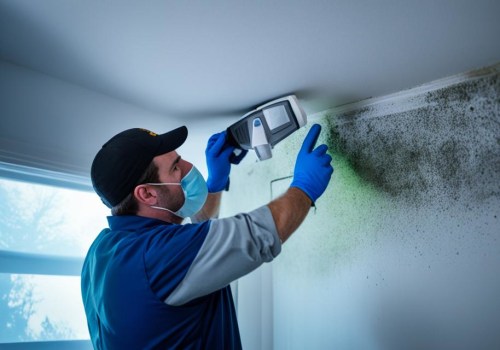
Once mold develops because of seasonal roof damage, the problem often extends beyond cosmetic concerns. Mold growth can weaken wood framing, damage insulation, stain ceilings, and reduce indoor air quality over time. Spores may circulate through ventilation systems and spread into living areas, making recurring moisture problems more difficult to control. Homeowners sometimes focus only on cleaning visible mold without addressing the roof-related moisture source that continues feeding the problem. This allows mold to return repeatedly even after surface cleaning or minor repairs are completed.
Preventive Roof Maintenance Helps Reduce Mold Risks
Routine roof inspections and seasonal maintenance are among the most effective ways to prevent hidden moisture intrusion that leads to mold growth indoors. Repairing damaged shingles, improving attic ventilation, cleaning gutters, and addressing flashing issues early can significantly reduce long-term moisture buildup inside the home. Preventive maintenance also helps protect insulation, ceilings, and structural framing from unnecessary water exposure during changing weather conditions. By understanding how seasonal roof damage contributes to indoor mold problems, homeowners can take proactive steps to maintain healthier indoor environments while protecting the long-term condition of their roofing systems and living spaces.