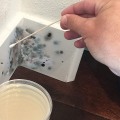
Mold inspection is an important consideration during both new construction and remodeling projects, even though many people associate mold issues primarily with older buildings. During construction, building materials such as wood, drywall, and insulation can be exposed to moisture from rain, humidity, or plumbing installations. If moisture becomes trapped inside walls or structural components, mold may begin to grow before the project is even completed. Because mold can develop quickly in damp conditions, contractors and property owners must remain aware of potential risks throughout every stage of construction. Addressing these risks early helps ensure that newly built or renovated spaces remain safe, healthy, and structurally sound. Mold inspections allow professionals to identify hidden moisture problems and verify that building materials are dry before walls, flooring, or ceilings are sealed.
Why Inspections Matter During New Construction
New construction projects often involve multiple stages where moisture can enter the structure. For example, framing materials may be delivered and stored on-site before the building is fully enclosed, exposing them to outdoor weather conditions. Even small amounts of moisture can create an environment where mold spores begin to grow if materials remain damp for extended periods. Conducting mold inspections during construction helps identify these issues early so that affected materials can be dried or replaced before the project progresses. Inspections also confirm that ventilation systems, roofing components, and exterior barriers are properly installed to prevent water intrusion. By addressing these factors during construction, builders reduce the risk of mold problems developing after the building is occupied.
Mold Concerns in Remodeling Projects
Remodeling projects present their own unique mold inspection challenges, particularly when existing structures are opened for renovation. When walls, flooring, or ceilings are removed, hidden moisture damage that was previously concealed may suddenly become visible. Older buildings may have experienced small leaks, condensation issues, or previous water damage that created conditions for mold growth behind surfaces. Remodeling provides an opportunity to investigate these areas and resolve problems before new materials are installed. Professional inspections can help determine whether mold remediation is necessary and ensure that the renovation process does not trap moisture inside newly finished spaces. Taking these precautions helps protect the health of future occupants while also preserving the longevity of the renovation work.
Moisture Control and Prevention Strategies
Preventing mold growth during construction or remodeling depends largely on proper moisture control. Contractors typically monitor building materials to ensure they remain dry and protected from environmental exposure. Dehumidifiers and ventilation systems may be used to manage humidity levels within enclosed spaces, particularly during finishing stages when drywall and flooring are installed. Proper sealing of roofing systems, windows, and plumbing fixtures also helps reduce the likelihood of water intrusion. Regular site inspections allow construction teams to detect any early signs of moisture accumulation before they become larger problems. Experienced construction professionals understand the importance of incorporating preventive strategies into every phase of a project. Companies such as GGNC Construction Services emphasize careful planning and quality construction practices that help minimize conditions where mold could develop.
Protecting Long-Term Building Health
Mold inspections ultimately contribute to the long-term health and durability of a building. When construction teams address moisture risks early, they help create structures that remain stable, comfortable, and safe for occupants. Mold prevention also protects the investment property owners make in new construction or remodeling projects by reducing the likelihood of costly repairs in the future. Through routine inspections, careful material handling, and proactive moisture management, builders and property owners can ensure that construction projects are completed with both quality and safety in mind. By prioritizing mold awareness throughout the building process, construction professionals help deliver environments that support healthy living and long-lasting structural performance.