Mold inspection and HVAC system maintenance are closely connected when it comes to maintaining a healthy indoor environment. Mold thrives in damp, poorly ventilated areas, and HVAC systems can either help control or contribute to these conditions depending on their maintenance. When systems are not properly maintained, moisture can accumulate in ducts, coils, and filters, creating an ideal environment for mold growth. Regular inspections and maintenance help ensure that HVAC systems function efficiently, reducing humidity levels and preventing the spread of mold spores throughout the home.
Identifying Early Signs of Mold Growth
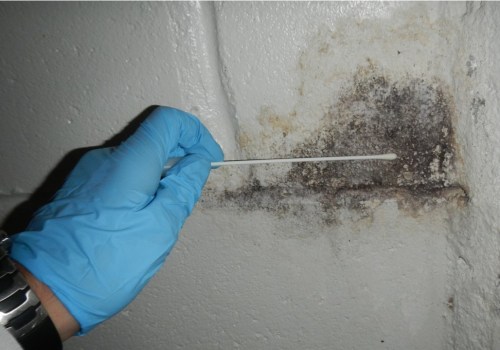
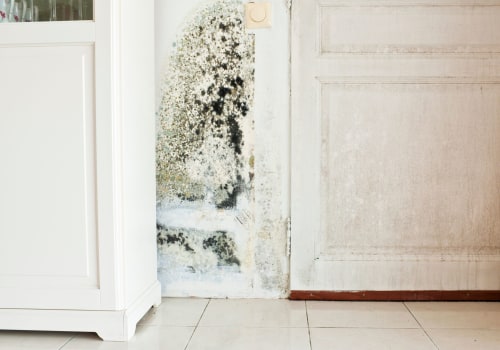
Early detection is key to preventing mold from becoming a serious issue. Common signs include musty odors, visible discoloration on walls or ceilings, and increased allergy or respiratory symptoms among occupants. HVAC systems can sometimes circulate mold spores, spreading them to different areas of the home. Conducting routine mold inspections allows homeowners to identify these warning signs and address them before they escalate. Those looking for more guidance on identifying mold risks can explore additional resources and click here to access helpful information on prevention and maintenance strategies.
The Role of HVAC Maintenance in Moisture Control
Proper HVAC maintenance plays a crucial role in controlling indoor moisture levels, which is essential for preventing mold growth. Components such as air filters, evaporator coils, and drainage systems must be kept clean and functioning properly. Clogged filters or blocked drainage lines can lead to excess moisture, creating conditions that promote mold development. Regular servicing ensures that these components operate efficiently, helping to maintain balanced humidity levels and improve overall air quality.
Improving Indoor Air Quality and Health
A well-maintained HVAC system not only prevents mold growth but also enhances indoor air quality. Clean ducts and filters reduce the circulation of dust, allergens, and mold spores, creating a healthier living environment. This is particularly important for individuals with allergies or respiratory conditions, as poor air quality can exacerbate symptoms. By combining mold inspection with regular HVAC maintenance, homeowners can ensure that their indoor environment remains safe and comfortable.
Preventing Costly Repairs and Damage
Mold and poorly maintained HVAC systems can lead to significant damage if not addressed promptly. Mold can weaken building materials, while HVAC issues can result in system inefficiencies or breakdowns. Addressing these problems early helps prevent costly repairs and extends the lifespan of both the property and the HVAC system. Preventative maintenance is a cost-effective approach that protects the home from long-term damage.
Creating a Comprehensive Maintenance Plan
Integrating mold inspection with HVAC maintenance creates a comprehensive approach to home care. Scheduling regular inspections and servicing ensures that both systems are monitored and maintained consistently. This proactive strategy helps identify potential issues early and keeps the home in optimal condition. Homeowners who prioritize these practices can enjoy greater peace of mind, knowing that their property is protected against mold and related issues.
Supporting Long-Term Home Health and Efficiency
Ultimately, mold inspection and HVAC system maintenance work together to support long-term home health and efficiency. By controlling moisture, improving air quality, and preventing damage, these practices contribute to a safer and more comfortable living space. Regular attention to these systems ensures that they continue to perform effectively, highlighting the importance of ongoing maintenance in preserving the value and integrity of the home.