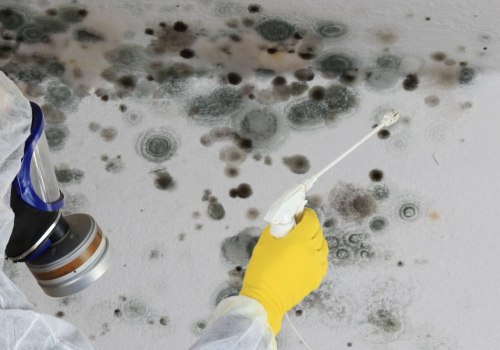
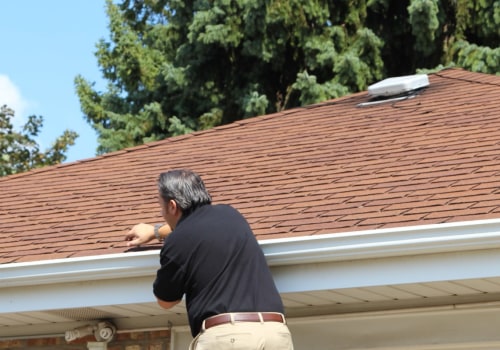
Many homeowners view mold inspection reports primarily as tools for identifying potential health concerns or determining whether mold remediation is necessary. While these are certainly important functions, mold inspection reports can also provide valuable insights that help guide broader residential improvement decisions. Because mold growth is often linked to underlying moisture issues, ventilation deficiencies, drainage concerns, or building envelope problems, a detailed inspection report can reveal areas of a home that require attention beyond simple mold removal. As a result, mold inspections often serve as useful planning tools that help homeowners prioritize repairs, maintenance tasks, and renovation projects more effectively.
Identifying Root Causes Rather Than Symptoms
One of the greatest benefits of a mold inspection report is its ability to highlight the root causes of moisture-related issues. Mold rarely develops without an underlying source of excess moisture. Leaking plumbing, poor ventilation, roof problems, inadequate drainage, and building envelope deficiencies are among the common contributors. A thorough inspection can help homeowners understand not only where mold is present but also why it developed in the first place. This information is valuable because it allows property owners to focus on resolving the source of the problem rather than simply treating visible symptoms. Addressing root causes often prevents future damage and helps ensure that renovation efforts deliver lasting results.
Helping Homeowners Prioritize Improvement Budgets
Most homeowners have a list of projects they would like to complete but must make decisions based on available time and budget. Mold inspection reports provide objective information that can help determine which improvements should take priority. For example, a homeowner may initially plan cosmetic upgrades such as flooring or painting, only to discover through an inspection that moisture infiltration requires more immediate attention. By identifying areas that present the greatest risk to the property's condition, inspection reports help homeowners allocate resources more strategically and avoid investing in improvements that may later be affected by unresolved moisture issues.
Supporting Better Coordination Among Contractors
Mold-related concerns often involve multiple building systems and require collaboration among different service professionals. Contractors, plumbers, roofing specialists, HVAC technicians, and remodeling experts may all play a role in resolving the conditions that contribute to mold growth. A detailed inspection report helps these professionals work from a shared understanding of the property's condition. For instance, moisture problems identified around exterior openings may lead homeowners to consider upgrades such as door and window installation in Brownsburg IN as part of a broader strategy to improve energy efficiency and reduce water intrusion. Coordinated planning helps ensure that improvements address both immediate concerns and long-term property performance goals.
Protecting Future Renovation Investments
One of the most overlooked reasons to use mold inspection reports when planning residential improvements is the protection they offer for future investments. Renovating a space without addressing hidden moisture issues can lead to recurring damage that affects new materials and finishes. Flooring, drywall, cabinetry, insulation, and paint may all be compromised if moisture problems remain unresolved. Inspection reports help homeowners identify vulnerabilities before renovation work begins, reducing the likelihood of costly repairs after projects are completed. This proactive approach supports better project outcomes and helps preserve the value of home improvements.
Improving Long-Term Property Maintenance Planning
Mold inspection reports also contribute to long-term maintenance strategies by highlighting areas that may require ongoing monitoring or preventive action. Homeowners can use the information to develop maintenance schedules, improve ventilation practices, upgrade drainage systems, or address building envelope weaknesses before more significant issues arise. These insights often help reduce future maintenance costs while supporting a healthier indoor environment.
A Valuable Tool for Smarter Home Improvements
Ultimately, mold inspection reports offer much more than information about mold itself. They provide valuable guidance that helps homeowners prioritize residential improvement projects, identify root causes of property concerns, coordinate contractor efforts, and protect future renovation investments. By using inspection findings as part of a broader property planning strategy, homeowners can make more informed decisions that improve both the condition and long-term performance of their homes.