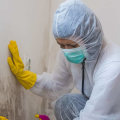
Cracks in a foundation can be more than a cosmetic concern because they may create pathways that allow moisture to enter areas that should remain dry. Depending on the size, location, and cause of the crack, water from rain, groundwater, plumbing leaks, or surrounding soil may gradually seep through the foundation. Once moisture reaches basements, crawl spaces, wall cavities, or flooring systems, it can create conditions that support musty odors, material deterioration, and mold growth. Identifying the source of moisture early can help property owners address both the visible crack and the environmental conditions contributing to the problem.
How Water Can Enter Through Foundation Cracks
Concrete and masonry foundations are designed to provide structural support, but cracks can reduce their ability to resist water intrusion. During periods of heavy rain or when soil around the building becomes saturated, hydrostatic pressure may push moisture toward openings in the foundation. Even small cracks can sometimes allow dampness to migrate into interior spaces over time. Professionals such as Bats Foundation Repair TX may evaluate whether foundation movement, settlement, drainage conditions, or other structural factors are contributing to the cracking before an appropriate repair strategy is developed.
Why Persistent Moisture Creates Mold Concerns
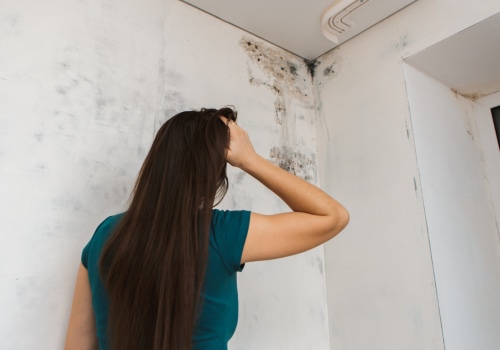
Mold spores are naturally present in many environments, but they generally require moisture and a suitable organic material to grow. When water enters through a foundation crack, it may dampen drywall, wood framing, insulation, carpet, or other materials. If those areas remain wet or humid for an extended period, mold can begin developing in visible or hidden locations. Crawl spaces and wall cavities can be particularly difficult to monitor because moisture may accumulate without being immediately noticeable. Musty odors, discoloration, or recurring damp spots can provide clues that a moisture problem needs further investigation.
Watch for Secondary Signs of Water Intrusion
Foundation cracks may be accompanied by other signs that water is entering the building. Homeowners might notice efflorescence on concrete or masonry, peeling paint, warped flooring, damp baseboards, or staining along walls. Increased indoor humidity can also make rooms feel uncomfortable even when no standing water is present. In some cases, moisture may travel away from the original crack, making the source difficult to identify. A thorough inspection can help determine whether the foundation is the entry point or whether roofing, plumbing, grading, or drainage problems are also involved.
Address the Source Before Cosmetic Damage
Covering stains, repainting walls, or replacing damaged flooring may improve appearance temporarily, but these repairs are unlikely to last if water continues entering through the foundation. The crack itself should be evaluated to determine whether it is stable or related to ongoing structural movement. Drainage problems, leaking pipes, or excessive soil moisture may also need correction. Addressing the source first helps reduce the chance that new finishes will be exposed to the same conditions.
Improve Drainage and Moisture Control
Foundation crack repair is often more effective when surrounding moisture conditions are managed as well. Gutters and downspouts should direct water away from the building, and grading should encourage runoff to move away from the foundation. Plumbing leaks should be repaired promptly, while crawl spaces or basements may require additional moisture-control measures depending on conditions.
Protect the Structure and Indoor Environment
Foundation cracks should not automatically be assumed to cause mold, but they can contribute to the conditions that make mold growth more likely when moisture is able to enter and remain trapped. By inspecting cracks, correcting water intrusion, managing drainage, and repairing moisture-damaged materials, property owners can address both structural and environmental concerns. Taking action early can help limit further deterioration and create a drier, more stable indoor environment.