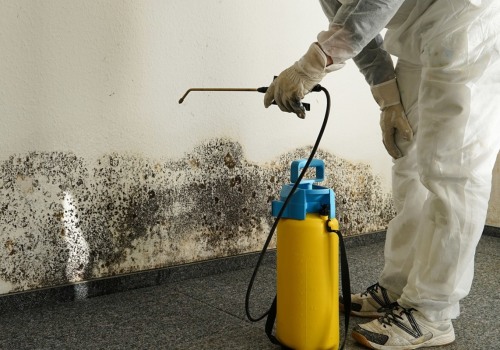
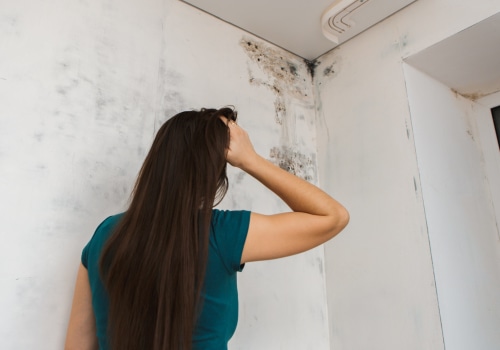
Mold is commonly associated with musty odors, visible discoloration on walls or ceilings, and concerns about indoor air quality. While cleaning affected surfaces may temporarily improve the appearance of a home or commercial building, persistent mold often points to a deeper issue that extends beyond simple housekeeping. Mold requires ongoing moisture to survive, which means recurring growth may be the result of hidden water intrusion, poor drainage, deteriorating building materials, or structural conditions that allow moisture to accumulate. Instead of viewing mold as an isolated problem, property owners should consider it a warning sign that warrants a more comprehensive evaluation. Identifying and correcting the underlying source of moisture is essential for protecting both the health of occupants and the long-term integrity of the building.
Hidden Moisture Often Signals Structural Concerns
Water can enter a building through a variety of pathways that are not immediately visible. Roof leaks, damaged flashing, cracked foundations, poorly sealed windows, plumbing leaks, and inadequate drainage systems may allow moisture to penetrate walls, ceilings, crawl spaces, or basements. Over time, this hidden moisture can saturate structural materials such as wood framing, subflooring, insulation, and sheathing. As these materials remain damp, mold thrives while structural components gradually weaken due to decay, corrosion, or deterioration. Persistent mold that repeatedly returns after cleaning often indicates that moisture is continuing to enter the building somewhere behind finished surfaces. Locating the true source requires careful investigation rather than simply treating the visible mold itself.
Evaluating the Building Beyond Surface Damage
When mold persists despite repeated cleaning or remediation, it becomes important to evaluate the overall condition of the building. Structural professionals examine how water is entering the structure and whether prolonged moisture exposure has affected framing systems, floor supports, roof assemblies, or foundation components. Water damage is not always obvious from inside occupied spaces, particularly if it occurs within concealed wall cavities or attic areas. Early structural assessment allows property owners to identify deterioration before it progresses into more serious issues that require extensive reconstruction. Companies such as Open Concept Engineering understand the value of combining structural evaluation with building repairs so that moisture-related problems are addressed at their source rather than repeatedly masking their visible symptoms.
Long-Term Moisture Can Weaken Building Materials
Building materials are designed to perform best under relatively dry conditions. Prolonged exposure to moisture can reduce the strength of wood framing, contribute to corrosion of metal connectors, damage drywall, weaken insulation, and compromise flooring systems. In some situations, persistent moisture may even accelerate foundation concerns if drainage problems allow water to accumulate around the structure. As structural materials deteriorate, the building may begin showing additional warning signs such as uneven floors, wall cracks, sticking doors or windows, sagging ceilings, or visible settlement. Recognizing the relationship between persistent mold and these structural indicators allows property owners to address underlying conditions before they lead to more extensive repairs.
Preventing Recurring Problems Through Early Action
Simply removing mold without correcting the conditions that allow it to grow rarely provides a lasting solution. Effective long-term protection requires identifying moisture sources, repairing structural damage where necessary, improving drainage, correcting ventilation deficiencies, and restoring affected building materials. Taking action early helps minimize repair costs while preventing additional deterioration that could compromise the building's safety or value. Routine inspections and timely maintenance also provide opportunities to identify hidden moisture before mold becomes widespread, reducing the likelihood of extensive remediation projects later.
A Comprehensive Approach to Building Health
Persistent mold should never be viewed solely as a cosmetic or air quality issue. It often serves as an early indicator of hidden structural conditions that deserve careful attention before they worsen over time. By investigating the underlying causes of recurring moisture, property owners can protect structural components, improve indoor environmental quality, and extend the lifespan of their building. Combining mold remediation with thoughtful structural evaluation creates a more complete and effective maintenance strategy that addresses both visible symptoms and concealed problems. This proactive approach helps preserve the safety, durability, and long-term performance of residential and commercial properties while reducing the risk of costly repairs in the future.