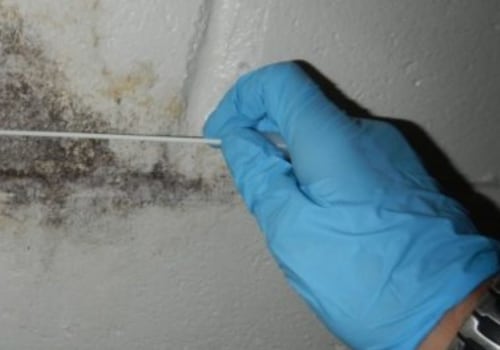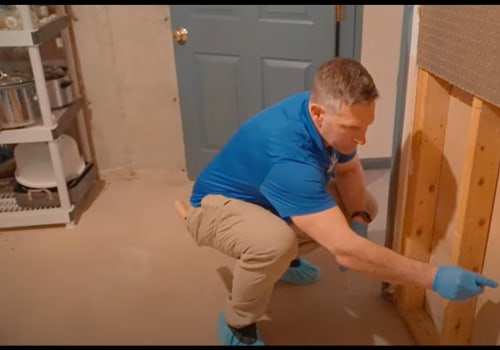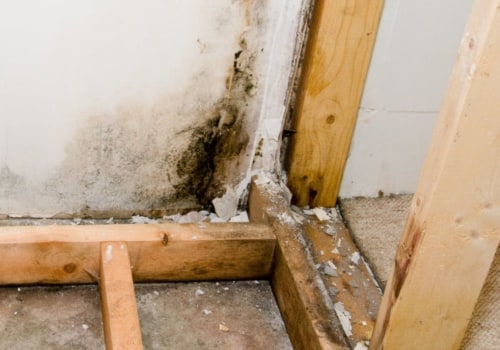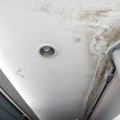
Energy-efficient homes are designed to minimize air leakage, regulate indoor temperatures, and reduce overall energy consumption. While these features provide significant savings and environmental benefits, they can also create unique moisture management challenges. Tightly sealed building envelopes prevent drafts and improve insulation performance, but they may also trap humidity indoors if ventilation systems are not properly balanced. When moisture accumulates in enclosed spaces such as attics, crawl spaces, or wall cavities, conditions become ideal for mold growth. Understanding how energy-efficient construction impacts airflow is essential when conducting mold inspections in modern homes. Inspectors must look beyond visible surfaces and consider how insulation, vapor barriers, and air sealing techniques influence indoor humidity levels.
Ventilation Systems and Indoor Air Quality
High-performance homes often rely on mechanical ventilation systems, such as heat recovery ventilators (HRVs) or energy recovery ventilators (ERVs), to maintain fresh air circulation. While these systems are effective when functioning correctly, improper installation or maintenance can lead to imbalanced airflow and excess moisture buildup. Mold inspections in energy-efficient properties typically include evaluating ventilation equipment, checking ductwork for condensation, and measuring relative humidity levels throughout the home. Bathrooms, kitchens, and laundry areas are particularly vulnerable if exhaust systems are inadequate. Inspectors also assess attic ventilation, as warm, moist air rising from living spaces can condense on cooler roof surfaces. In homes with solar energy systems installed by trusted solar panel installers, roof penetrations and mounting points should also be examined to ensure seals remain intact and do not allow moisture intrusion.
Insulation, Vapor Barriers, and Hidden Mold Risks
Energy-efficient homes often use advanced insulation materials and vapor barriers to enhance thermal performance. While these components are critical for reducing energy loss, they can also conceal hidden moisture problems if not properly installed. Spray foam insulation, for example, creates an airtight seal but may trap moisture behind wall assemblies if water infiltration occurs. During a mold inspection, professionals may use moisture meters and infrared imaging tools to detect damp areas behind walls, under flooring, or above ceilings. Identifying hidden moisture is crucial because mold can develop out of sight long before visible staining or odors appear. Inspectors must carefully evaluate transitions between building materials, window frames, and foundation joints where condensation is most likely to form.
Roofing, Drainage, and Exterior Considerations
Exterior components of energy-efficient homes also play a role in mold prevention. Proper roof drainage systems, well-maintained gutters, and correctly installed flashing reduce the risk of water infiltration. Even minor roof leaks can introduce moisture into insulated spaces, creating an environment conducive to mold growth. Energy-efficient windows, while designed to minimize heat transfer, can develop condensation if indoor humidity levels are too high. Inspectors often assess exterior grading and foundation drainage to ensure water flows away from the structure. A comprehensive mold inspection takes a whole-home approach, recognizing that exterior vulnerabilities can significantly impact interior air quality.
Proactive Monitoring and Long-Term Prevention
Mold inspection considerations for energy-efficient homes extend beyond a one-time evaluation. Regular monitoring of humidity levels, routine HVAC maintenance, and timely repairs of leaks are essential to maintaining a healthy indoor environment. Homeowners should aim to keep indoor humidity between 30 and 50 percent to reduce condensation risks. Installing dehumidifiers in basements or using smart home systems to track moisture levels can provide additional safeguards.
Ultimately, energy-efficient homes offer numerous benefits, but their tightly sealed construction requires vigilant moisture management. By carefully assessing ventilation, insulation, roofing, and exterior drainage, mold inspections can identify potential issues before they escalate. A proactive approach ensures that energy savings and indoor comfort are not compromised by hidden moisture problems, preserving both structural integrity and occupant health for years to come.