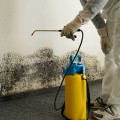
Exterior painting projects are often viewed as cosmetic upgrades that improve curb appeal and protect a property from weather exposure. However, one of the most important steps before beginning any exterior painting project is conducting a thorough mold inspection. Mold and mildew can develop on exterior surfaces due to moisture buildup, poor drainage, humidity, or inadequate ventilation. If these underlying problems are ignored before painting, the new paint may fail prematurely, leading to peeling, bubbling, discoloration, and recurring surface damage. Thorough mold inspections help identify hidden moisture-related issues and ensure that exterior surfaces are properly prepared for long-lasting results.
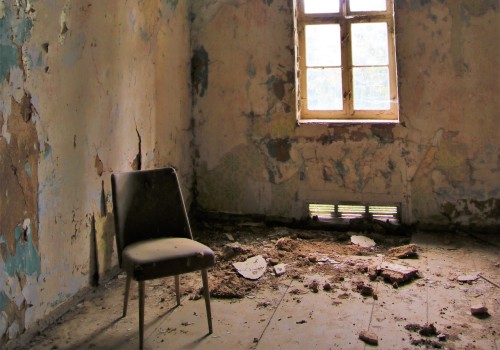
Many homeowners are unaware that mold growth can occur beneath old paint layers or inside small cracks in siding, stucco, or wood surfaces. Painting over mold without addressing the source of the problem simply traps moisture underneath the new coating, allowing the damage to continue spreading over time. This not only shortens the lifespan of the paint job but can also contribute to structural deterioration if moisture remains untreated. A detailed mold inspection allows contractors to detect vulnerable areas early and recommend the necessary repairs or cleaning treatments before any paint is applied.
Protecting Surface Integrity and Paint Longevity
One of the biggest advantages of mold inspection before painting is improved surface durability. Paint adheres best to clean, dry, and stable materials. Mold-contaminated surfaces often contain weakened or deteriorating materials that prevent paint from bonding correctly. As a result, even high-quality paint products may fail if the underlying surface has not been properly cleaned and restored. Thorough inspections help ensure that surfaces are fully prepared, reducing the risk of premature paint failure and protecting the homeowner’s investment.
Mold inspections also help identify water intrusion issues that may otherwise go unnoticed. Leaking gutters, damaged flashing, cracked siding, poor drainage, or roof runoff problems can all contribute to exterior mold growth. Addressing these moisture sources before painting creates a more stable environment for the new coating and helps prevent recurring damage. Contractors specializing in exterior painting services often emphasize the importance of moisture control because long-term paint performance depends heavily on proper surface preparation and environmental conditions.
Pressure washing, mold remediation treatments, sanding, and sealing damaged areas are common preparation steps following a mold inspection. These processes not only improve paint adhesion but also help restore the overall appearance and condition of the property. In many cases, homeowners who invest in proper mold inspection and remediation experience significantly longer-lasting paint results compared to projects where preparation is rushed or incomplete.
Improving Home Health and Structural Protection
Beyond protecting paint quality, mold inspections also contribute to overall property health and safety. Exterior mold growth can sometimes indicate deeper moisture problems affecting walls, insulation, or structural materials inside the home. Identifying these issues early allows homeowners to address potential water damage before it becomes more severe and expensive to repair. Moisture intrusion can weaken wood, encourage rot, and create conditions that eventually affect indoor air quality if left untreated for long periods.
Mold inspections are especially important in climates with frequent rain, high humidity, or fluctuating temperatures. Homes exposed to these conditions are more vulnerable to recurring moisture problems that may not always be visible on the surface. By combining mold inspection with exterior painting projects, homeowners take a more proactive approach to protecting their property from both cosmetic and structural damage.
Routine maintenance after painting also becomes more effective when moisture issues have already been addressed. Proper drainage, ventilation, gutter maintenance, and periodic inspections help preserve the condition of exterior surfaces while minimizing the likelihood of future mold growth.
Conclusion
Thorough mold inspections provide essential benefits for exterior painting projects by ensuring surfaces are properly prepared, moisture issues are identified early, and paint coatings achieve maximum durability. Addressing mold before painting helps prevent premature peeling, bubbling, and structural deterioration while improving the overall appearance and longevity of the project. By combining mold inspection with professional preparation and moisture management strategies, homeowners can protect both the beauty and long-term condition of their property for years to come.