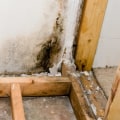
When homeowners schedule mold inspections, attention is typically directed toward areas with obvious signs of moisture, such as bathrooms, kitchens, basements, and laundry rooms. While these spaces certainly warrant inspection, garages and adjacent areas are frequently overlooked despite their potential to harbor conditions that support mold growth. Because garages are often viewed primarily as storage or parking spaces rather than living areas, subtle moisture issues can go unnoticed for extended periods. However, garages often serve as a transition zone between the outdoors and the interior of a home, making them particularly vulnerable to environmental conditions that contribute to mold development. A comprehensive mold inspection should therefore include garages and nearby spaces to ensure hidden problems are identified before they spread throughout the property.
Moisture Sources Are More Common Than Many Homeowners Realize
Garages are exposed to a variety of moisture sources that may not exist elsewhere in the home. Vehicles can introduce rainwater, snow, mud, and road debris, while seasonal humidity fluctuations can create condensation on walls, ceilings, and concrete surfaces. Additionally, many garages contain water heaters, utility connections, irrigation controls, or plumbing lines that can develop leaks over time. Because garages are often less climate-controlled than the rest of the home, moisture may linger longer and create favorable conditions for mold growth. Adjacent storage rooms, utility closets, and workshops may face similar risks, especially when ventilation is limited. These factors make garages an important area of focus during any thorough mold assessment.
Hidden Mold Can Affect Indoor Air Quality
One reason garages deserve greater attention during mold inspections is their potential impact on indoor air quality. Many attached garages share walls, ceilings, duct pathways, or entry points with the main living areas of a home. Even if mold growth remains hidden within garage walls or storage spaces, airborne spores can migrate into adjacent rooms through small openings, ventilation systems, or gaps around doors. As a result, mold originating in the garage can contribute to indoor air quality concerns that affect the entire household. Homeowners may experience persistent odors or environmental discomfort without realizing that the source of the problem lies in a space that is rarely inspected or monitored.
Garage Components Can Contribute to Moisture Intrusion
The physical components of a garage can also influence mold risk. Cracks in concrete floors, deteriorating weather seals, poor drainage, and improperly maintained garage doors can allow moisture to enter the structure. Even small gaps around entry points can contribute to humidity fluctuations that support mold development over time. Professionals who specialize in garage systems, such as Gecko Garage Doors, often understand the importance of maintaining proper seals and ensuring that exterior barriers function effectively. While garage door maintenance alone is not a mold prevention strategy, it can play a role in reducing unwanted moisture intrusion and supporting a healthier environment within the space.
Adjacent Storage Areas Face Elevated Risks
Many homeowners use garages to store seasonal decorations, cardboard boxes, furniture, tools, sporting equipment, and other personal belongings. Adjacent storage rooms often contain similar materials that can absorb moisture and provide organic surfaces where mold may thrive. Because these items are not frequently moved or inspected, mold growth can remain hidden behind stacks of stored belongings for months or even years. During a professional mold inspection, evaluating these areas can help identify developing problems before valuable possessions are damaged or contamination spreads to nearby living spaces.
A More Comprehensive Approach to Mold Inspections
Effective mold inspections require a comprehensive understanding of how moisture moves throughout a property. Garages and adjacent spaces may not receive the same level of attention as traditional high-risk areas, but their exposure to environmental conditions, storage practices, and structural vulnerabilities makes them important components of a complete assessment. By including these overlooked areas in routine mold inspections, homeowners can improve indoor air quality, protect stored belongings, and identify moisture-related issues before they become costly remediation projects. A proactive approach ensures that every part of the property contributes to a healthier and better-protected home.