Older homes often possess architectural charm, durable craftsmanship, and unique design features that make them highly desirable. However, many of these properties also present challenges that require careful evaluation before major improvements are made. One common project involves upgrading outdated electrical systems to improve safety, accommodate modern appliances, and meet current building standards. While electrical upgrades focus primarily on wiring, panels, and circuits, they also provide an excellent opportunity to evaluate hidden areas where moisture problems may have developed over time. Spaces behind walls, beneath floors, inside ceilings, and around crawl spaces may reveal signs of water intrusion that have gone unnoticed for years. Because mold thrives in damp, poorly ventilated environments, conducting a thorough mold inspection before or during electrical renovations can help identify existing issues before they become more widespread or interfere with the remodeling process.
Inspecting Hidden Spaces During Electrical Work
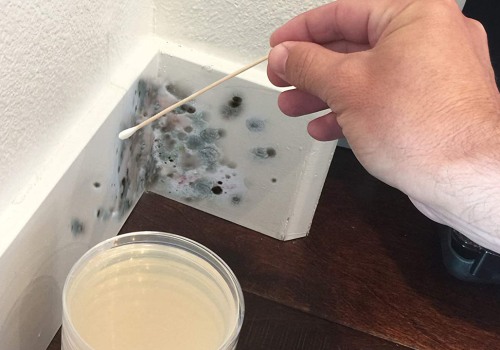
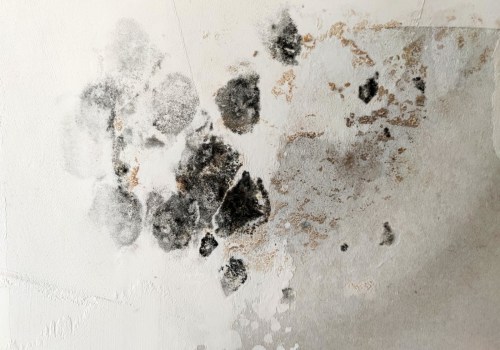
Electrical upgrades frequently require contractors to open sections of walls, ceilings, and other enclosed spaces to access wiring pathways. These areas often expose conditions that would otherwise remain hidden from view, making the project an ideal time to inspect for mold growth, water stains, wood deterioration, or lingering moisture. Homeowners should pay close attention to areas surrounding windows, plumbing penetrations, roof intersections, basements, and attics, where leaks are more likely to occur. Mold inspections may also include moisture meter readings, visual assessments, and air quality evaluations when necessary to determine whether hidden contamination is present. Working with experienced professionals, including electricians such as Jackson and Sons Electric, helps ensure that electrical improvements are completed safely while allowing homeowners to address any environmental concerns discovered during the renovation. Coordinating inspections early can prevent delays and reduce the likelihood of needing to reopen finished walls after the electrical work has already been completed.
Addressing Moisture Before Completing Renovations
If mold or moisture problems are identified during the inspection process, addressing the underlying source should take priority before finalizing electrical upgrades. Simply replacing wiring without correcting water intrusion may allow mold to continue spreading behind newly finished walls, potentially affecting indoor air quality and causing additional structural damage over time. Depending on the source of moisture, repairs may involve fixing roof leaks, sealing foundation cracks, improving drainage around the property, repairing plumbing leaks, or increasing ventilation in enclosed areas such as crawl spaces and attics. Once moisture sources have been eliminated, any affected building materials can be properly cleaned, removed, or replaced before electrical components are permanently enclosed. Taking this proactive approach helps protect both the home's structural integrity and the longevity of the newly installed electrical system.
Creating a Healthier and More Reliable Living Environment
Combining mold inspection with electrical upgrades allows homeowners to maximize the value of their renovation investment while improving both safety and comfort. Modern electrical systems provide greater reliability, energy efficiency, and capacity for today's technology, while mold inspections help identify hidden environmental concerns that could impact the home's condition over the long term. Routine maintenance following the renovation is equally important, including monitoring humidity levels, maintaining gutters and drainage systems, inspecting roofs for leaks, and ensuring proper ventilation throughout the home. These preventive measures reduce the risk of future moisture problems while supporting the performance of both the electrical system and the building itself. By integrating careful planning, thorough inspections, timely repairs, and quality workmanship, homeowners can successfully modernize older properties while preserving their character, enhancing indoor air quality, and creating a safer, healthier, and more durable living environment for years to come.