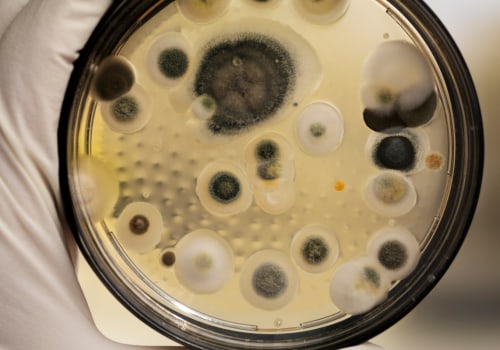
Receiving a positive mold inspection report can feel overwhelming, but understanding the findings is the first step toward resolving the issue effectively. A professional inspection typically identifies the type of mold present, the extent of contamination, moisture sources, and affected areas within the property. Inspectors may provide lab results confirming spore counts and comparing indoor levels to outdoor baselines. The report often outlines visible growth, hidden colonies behind walls or under flooring, and humidity levels contributing to the problem. Carefully reviewing this information helps homeowners or property managers determine the severity of the situation and prioritize next steps. While mold is common in damp environments, elevated concentrations indoors require immediate attention to protect both structural integrity and occupant health.
Identifying and Addressing the Moisture Source
After a positive report, the next critical step is identifying the underlying moisture issue that allowed mold to thrive. Mold cannot grow without a consistent water source, so addressing leaks, poor ventilation, roof damage, plumbing failures, or condensation problems is essential. If the moisture source is not corrected, any cleanup efforts will only provide temporary relief. Professionals may use moisture meters, thermal imaging cameras, or humidity testing equipment to pinpoint hidden dampness within walls or ceilings. Repairing these issues might involve fixing plumbing lines, sealing foundation cracks, improving drainage, or upgrading ventilation systems in bathrooms and kitchens. Eliminating moisture creates an environment where mold cannot easily return, laying the groundwork for long-term resolution.
The Remediation Process
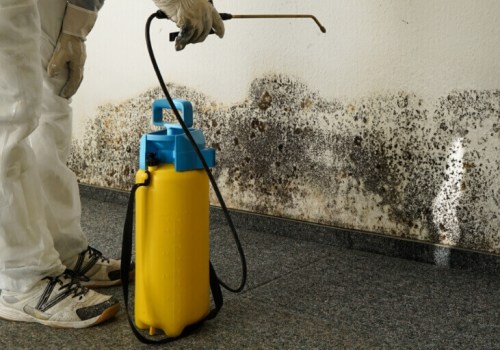
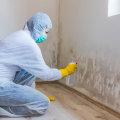
Once moisture problems are addressed, the focus shifts to mold remediation, which involves safely removing contaminated materials and restoring indoor air quality. Depending on the severity of the infestation, remediation may include isolating affected areas with containment barriers to prevent cross-contamination. High-efficiency particulate air (HEPA) filtration systems are often used to capture airborne spores during cleanup. Porous materials such as drywall, carpeting, or insulation that cannot be salvaged may need to be removed and replaced. Non-porous surfaces are cleaned with specialized antimicrobial solutions designed to eliminate mold colonies effectively. Throughout the process, technicians wear protective equipment to minimize exposure and ensure safe handling of contaminated debris.
Post-Remediation Verification and Prevention
After cleanup is completed, many professionals recommend post-remediation verification testing to confirm that spore levels have returned to normal ranges. This additional inspection provides reassurance that the problem has been thoroughly addressed. Air samples and surface tests may be collected to validate that remediation efforts were successful. Once clearance is achieved, rebuilding and restoring affected areas can begin. Preventative measures such as installing dehumidifiers, improving insulation, sealing windows, and maintaining proper ventilation reduce the likelihood of recurrence. Routine inspections and prompt attention to leaks or water damage further safeguard the property from future mold growth.
Protecting Health and Property Value
Beyond structural concerns, addressing mold promptly protects occupant health. Prolonged exposure to elevated mold levels can contribute to respiratory irritation, allergic reactions, and other health complications, particularly for individuals with asthma or compromised immune systems. Taking swift action minimizes these risks and preserves indoor air quality. Additionally, unresolved mold issues can negatively impact property value and complicate future real estate transactions. Buyers often request documentation of inspection results and remediation efforts before completing a purchase.
Although a positive mold inspection report may initially cause concern, it ultimately provides valuable insight into hidden issues that require attention. By understanding the findings, correcting moisture sources, completing professional remediation, and implementing preventative strategies, homeowners can restore a safe and healthy living environment. Proactive action ensures that both the property and its occupants remain protected for years to come.